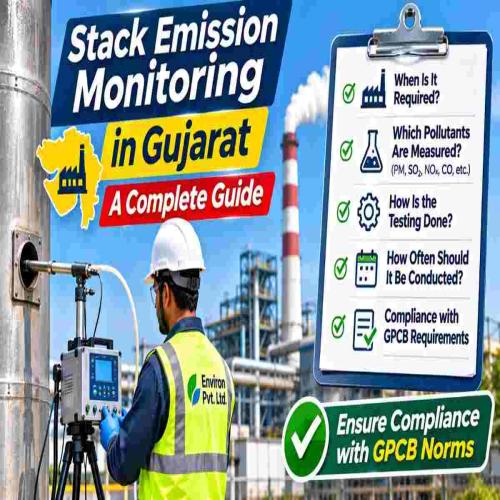
A factory chimney may appear to be operating normally, but the gases released through it can contain pollutants that are not visible to the human eye. Boilers, furnaces, diesel generator sets, and industrial manufacturing processes can release particulate matter and gaseous pollutants into the atmosphere.
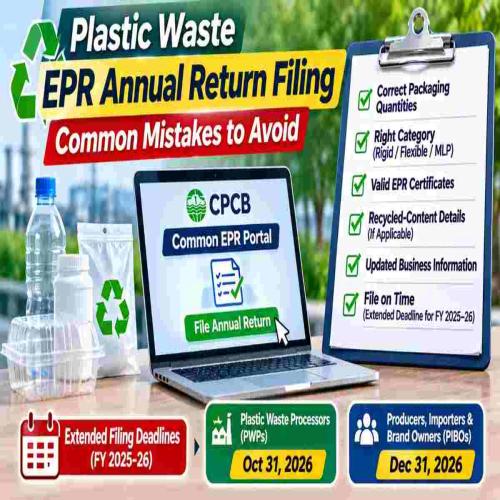
A business may complete its Extended Producer Responsibility (EPR) registration, arrange plastic waste recycling, and purchase the required certificates, yet still face compliance difficulties when filing its annual return.
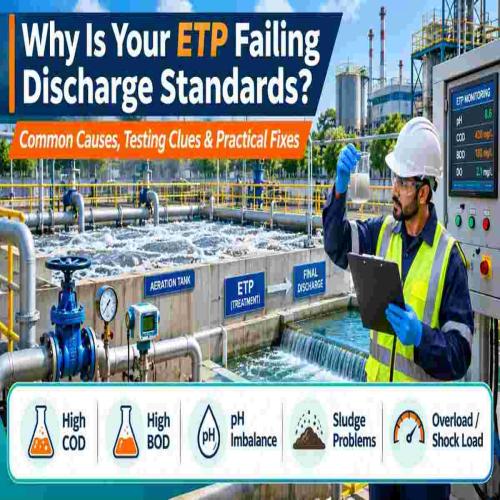
Your Effluent Treatment Plant (ETP) may be running every day, with pumps operating, blowers functioning, and wastewater passing through each treatment stage.
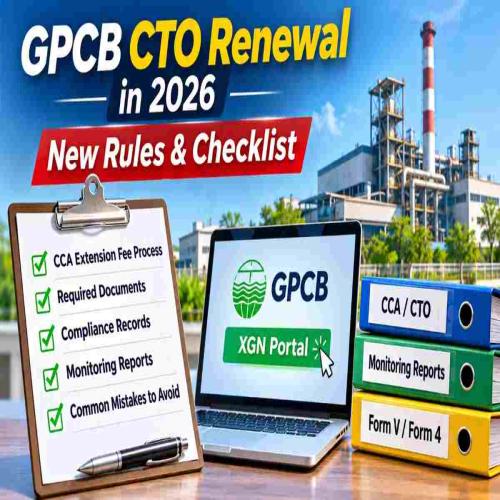
For factory owners and environmental managers in Gujarat, keeping pollution control permissions valid is essential for uninterrupted industrial operations. Missing a compliance deadline, maintaining incomplete monitoring records, or failing to update approval details can create regulatory difficulties.
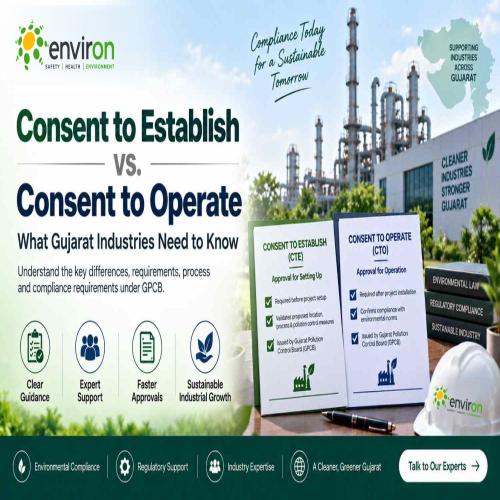
Confused about CTE and CTO from the Gujarat Pollution Control Board? Here is what each approval covers, when you need it, and how the two differ.
Not every environmental testing lab is NABL-accredited. Here is what that accreditation actually means, and why it matters for your test reports.
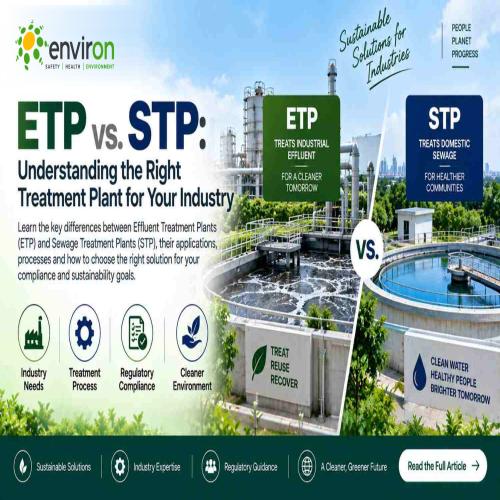
ETP or STP? The right treatment plant depends on what you are actually treating. Here is how the two differ, and how to tell which one you need.
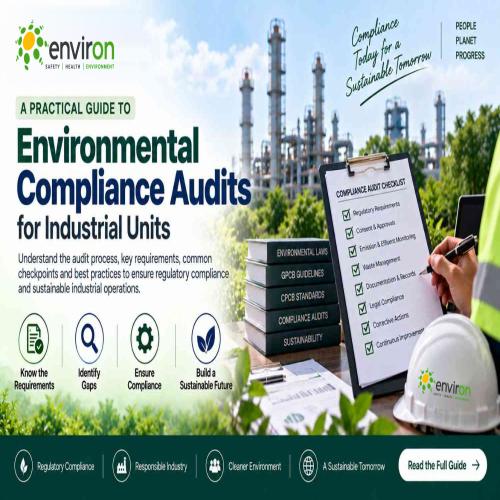
What actually happens in an environmental compliance audit, and why industrial units benefit from doing one before a regulator asks them to.