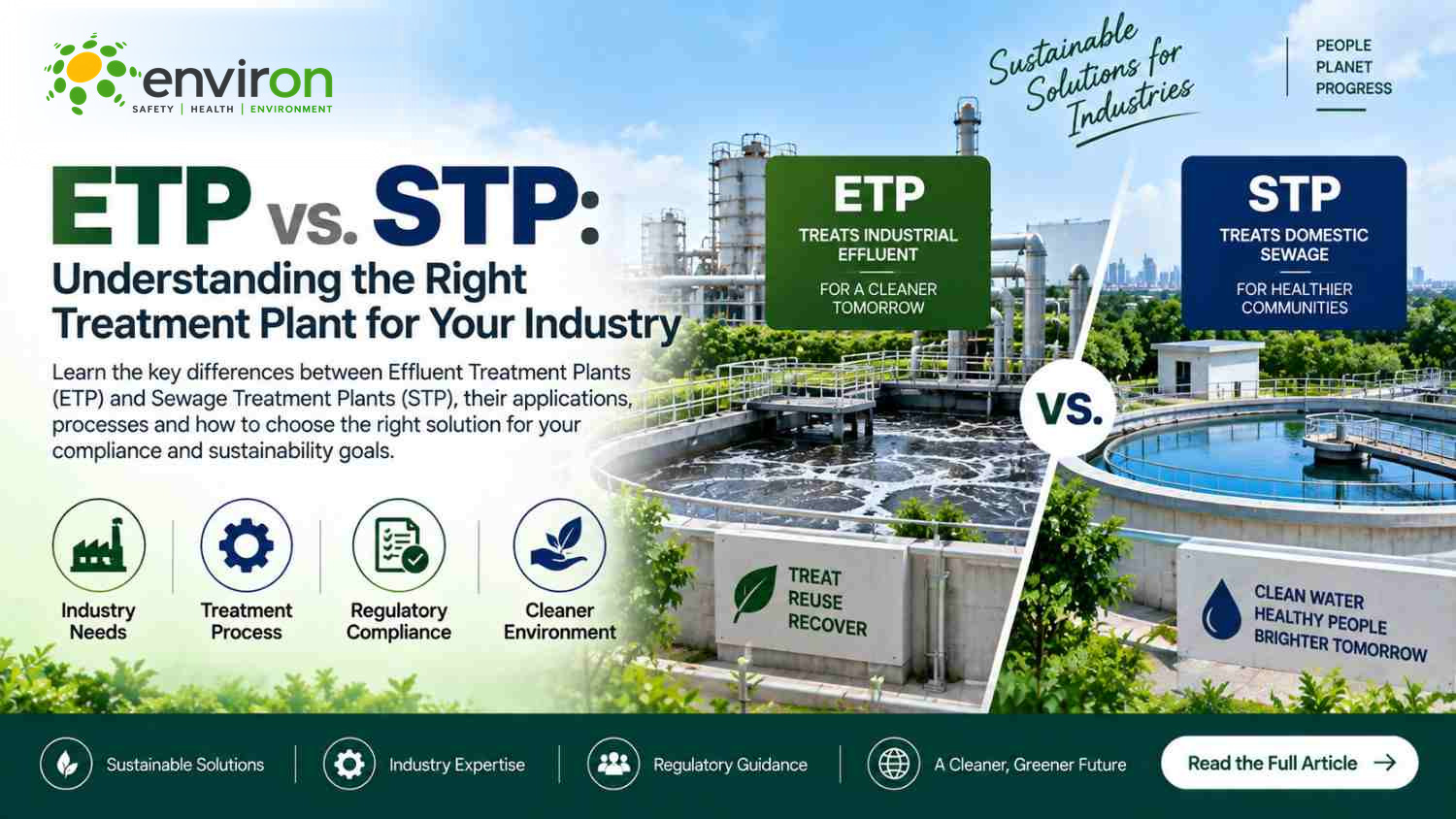
ETP and STP are two of the most commonly confused acronyms in industrial environmental compliance. Both are treatment plants, both deal with wastewater, and both are frequently required as part of an environmental approval — but they are built for different sources of wastewater, and using the wrong one, or assuming one covers the other, is a mistake worth avoiding.
An Effluent Treatment Plant is designed to treat industrial process wastewater — the wastewater generated by a manufacturing or industrial process itself, which can contain chemicals, dyes, oils, heavy metals, or other pollutants specific to that industry. Because industrial effluent composition varies enormously from one sector to another, an ETP is generally designed around the specific characteristics of the effluent it needs to treat, using a combination of physical, chemical, and biological treatment stages.
A Sewage Treatment Plant is designed to treat domestic-type wastewater — sewage from washrooms, kitchens, and other sanitary facilities on a site, whether that is a factory, a commercial building, or a residential complex. Sewage is more consistent in composition than industrial effluent, so STPs are generally built around standard biological treatment processes (such as activated sludge or sequencing batch reactor systems) designed to reduce organic load and pathogens before discharge or reuse.
Many industrial sites actually need both: an ETP for the wastewater generated by the manufacturing process, and a separate STP for the domestic sewage generated by staff facilities on the same site. Treating both streams through a single, undifferentiated system is rarely appropriate, since the two waste streams have very different characteristics and require different treatment approaches. The right starting point is a proper assessment of what your site actually discharges — volume, composition, and source — before deciding on plant type and sizing.
Depending on your effluent characteristics and discharge requirements, you may also need air pollution control equipment for emissions, alongside your water-side treatment.
We design, manufacture, supply, and install ETPs and STPs, using the same in-house technical team that handles the regulatory approvals requiring them and the NABL-accredited lab testing that confirms they are performing as designed. See our Infrastructure page for more on our engineering capability, or contact us with your site details for an assessment.

A factory chimney may appear to be operating normally, but the gases released through it can contain pollutants that are not visible to the human eye. Boilers, furnaces, diesel generator sets, and industrial manufacturing processes can release particulate matter and gaseous pollutants into the atmosphere.
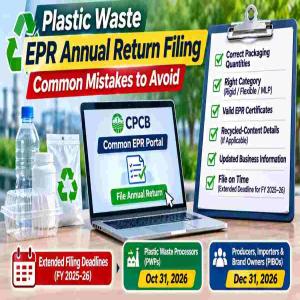
A business may complete its Extended Producer Responsibility (EPR) registration, arrange plastic waste recycling, and purchase the required certificates, yet still face compliance difficulties when filing its annual return.
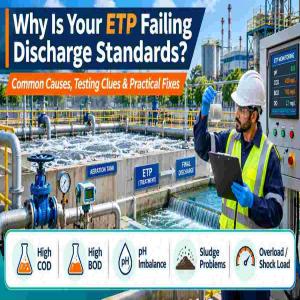
Your Effluent Treatment Plant (ETP) may be running every day, with pumps operating, blowers functioning, and wastewater passing through each treatment stage.

For factory owners and environmental managers in Gujarat, keeping pollution control permissions valid is essential for uninterrupted industrial operations. Missing a compliance deadline, maintaining incomplete monitoring records, or failing to update approval details can create regulatory difficulties.